Celebrating 50 Years of Queer Representation in Indian Cinema
Queer Men in Indian Cinema
Indian cinema has significantly evolved over the last fifty years in its portrayal of men who express desire for one another. From subtle glances to elaborate weddings, the representation of queer relationships has changed dramatically.
Shifting Themes in Queer Representation
A recent example is Canadian director Roshan Sethi’s film, A Nice Indian Boy, which was renamed A Nice Boy in India due to censorship issues. The film depicts Jay, adopted into an Indian family, who falls in love with Naveen, navigating their relationship against unsuspecting parents and traditional expectations.
Removing “Indian” from the title signifies ongoing tensions around queer masculinity in India, especially six years post-decriminalization.
Historical Perspectives
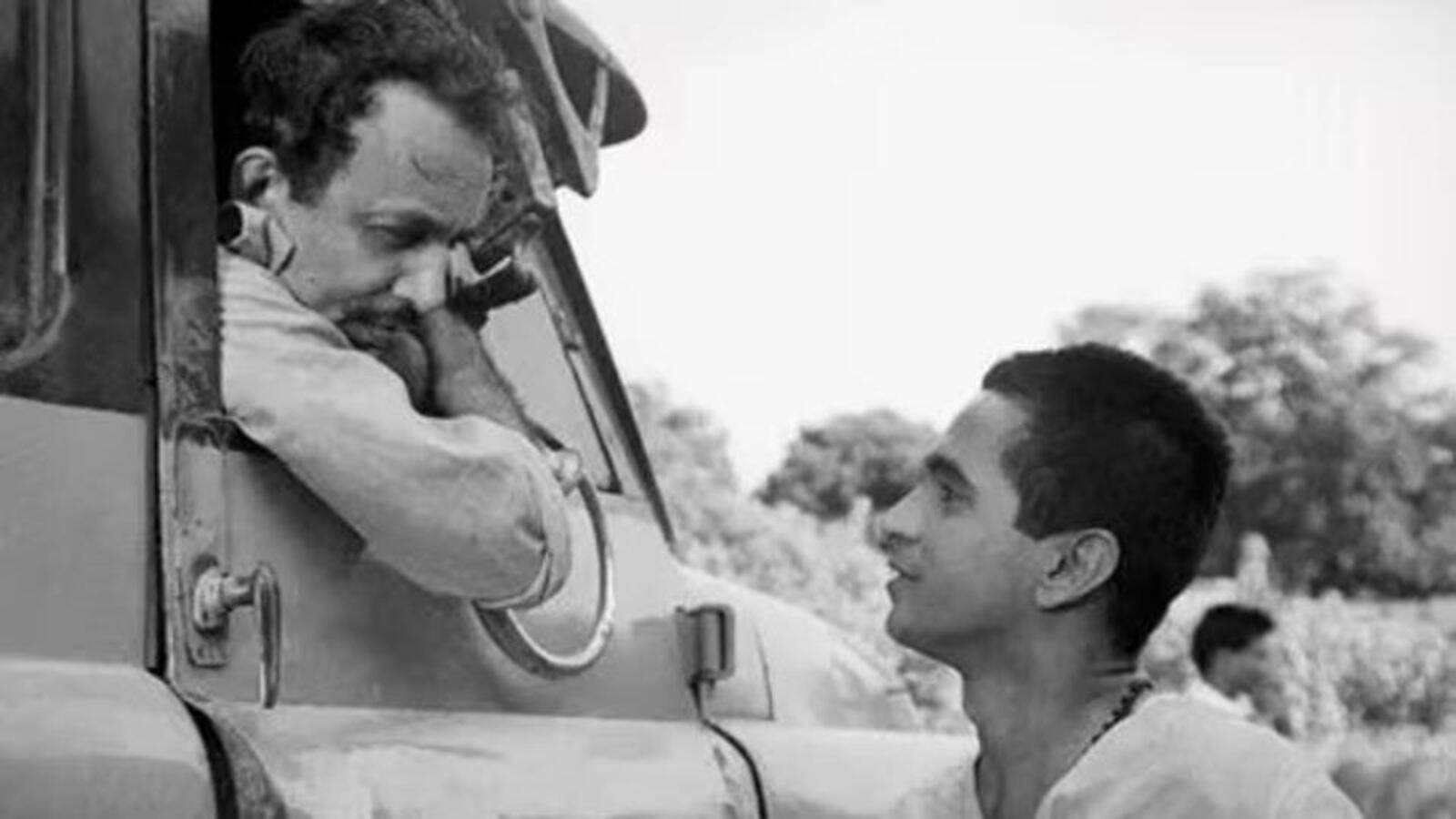
Back in 1972, Badnaam Basti, directed by Prem Kapoor, subtly explored a connection between a truck driver and a temple attendant through mere glances and gestures. Such depictions revealed that male intimacy has long been a part of Indian masculinity, even if largely unacknowledged.
Fast forward to contemporary narratives, films like Sabar Bonda, which won accolades at the 2025 Sundance Film Festival, continue this legacy of portraying queer desires. This film reflects on the fragility and invisibility of queer masculinity, especially in rural contexts.
The Complications of Queerness
For over fifty years, cinematic portrayals of queer masculinity have navigated beyond mere identity, capturing how men challenge and sometimes reconcile with societal masculinity scripts. While earlier films might have kept male desire hidden, recent works allow characters to develop their own love languages.
Sabar Bonda follows Anand as he returns to his village for his father’s last rites, reconnecting with his childhood friend, Balya. Their shared tenderness emerges amidst the weight of familial expectations and societal norms surrounding masculinity.
Contrastingly, Jaggi (2021) escalates the challenges faced by queer men in rural settings, where suspected impotency leads to violence and ridicule. This film starkly highlights how deeply ingrained societal norms can render individuals painfully vulnerable.
Emerging Visibility and Acceptance
Other recent films, like Onir’s We Are Faheem & Karun, illustrate a more tender portrayal of queer relationships. Set in the serene Gurez Valley of Kashmir, the film captures a budding affection against a backdrop of subtle homophobia, presenting queerness as natural and worthy of affection.
The evolution of these narratives is part of a larger history of visibility that encompasses earlier works such as My Brother… Nikhil (2005), which portrays an embittered gay man, and Loev (2015), celebrated for its depiction of intimacy.
Roots of Queer Visibility
The 1990s marked a pivotal period for the LGBTQ+ movement in India, allowing queerness to be expressed openly. With legal challenges against colonial-era laws criminalizing homosexuality, societal perceptions began to shift, making way for greater acceptance.
However, challenges remain; just recently, the Supreme Court rejected requests for marriage equality. Films like A Nice Boy continue to reflect the complexities of negotiating queer identities in contemporary India.
Vikram Phukan is a theatre practitioner and is currently authoring a book exploring queerness in Indian cinema since its inception.
What are your thoughts on the evolving portrayal of queer men in Indian cinema?