Why Workplace Shows Like ‘The Studio’ and ‘Severance’ Captivate Us
Work, much like love, is everywhere. It’s no longer confined to just offices or factories; it’s present wherever I go—though my smartphone keeps reminding me with relentless emails. We’ve entered the era of Peak Workplace TV.
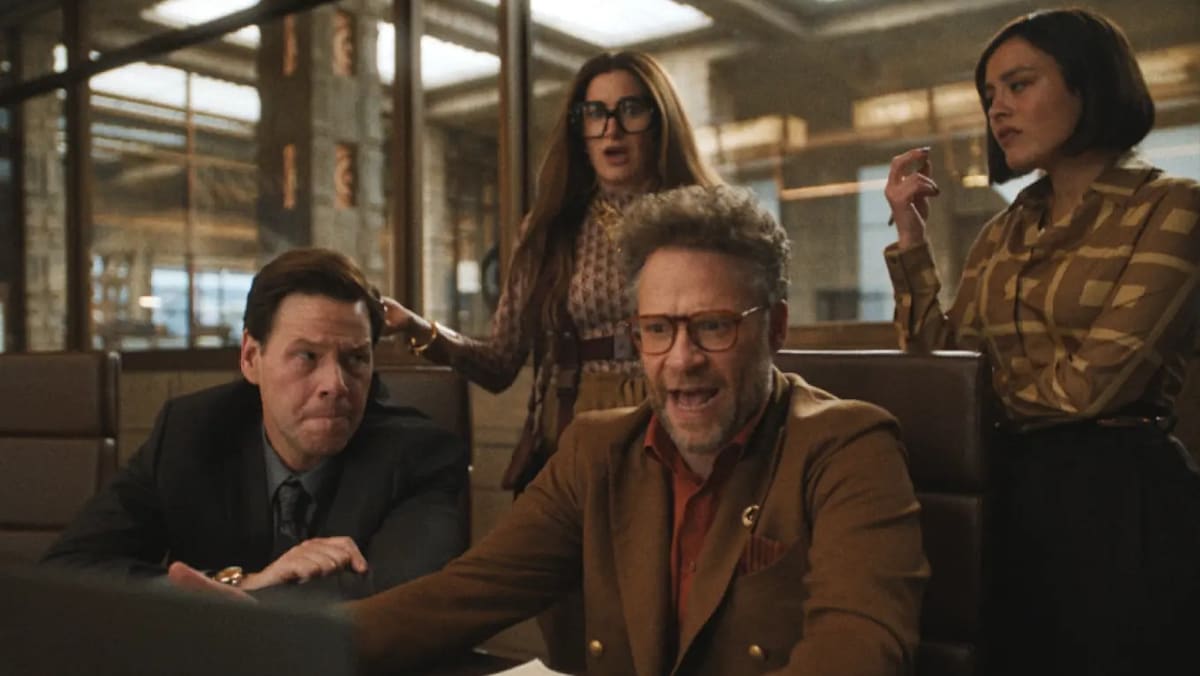
This trend was evident at the recent Emmy Awards, which celebrated The Studio, a comedy centered around the entertainment industry, featuring Seth Rogen as a cinephile grappling with the challenges of his studio in a fiercely competitive landscape.
Other notable series include Hacks, which explores the dynamics between an older comedian, played by Jean Smart, and her Gen Z writer, Ava Daniels, portrayed by Hannah Einbinder. Additionally, Severance highlighted the struggle of balancing work and home life, winning multiple awards, as did The Pitt, a hospital drama.
Slow Horses, a drama based on Mick Herron’s books, also delves into the concept of work. While it follows spies and villains, it showcases a team of MI5 outcasts coming together, highlighting collaboration in the workplace.
Jackson Lamb, the team leader portrayed by Gary Oldman, is praised as an exemplary boss. Microsoft co-founder Bill Gates remarked, “He’s incredibly capable and takes his work seriously.” Discussions about Lamb’s management style often circulate on platforms like LinkedIn, emphasizing his “radical candour” and resistance to micromanagement.
While workplace-themed dramas and comedies have existed for years, recent entries like The Pitt signal a shift. Prior to that, shows like ER and The Office set the stage, each making the workplace relatable, regardless of setting, with shared themes of thwarted ambitions and disconnected management.

This fascination with workplace narratives resonates with TV creators, allowing them to explore diverse characters who experience love, conflict, struggle, and failure. The rise of this trend reflects our societal engagement with work, revealing what some describe as a “work society”—where work feels socially mandatory.
This shift is partly driven by technology, which blurs the lines between work and personal time, alongside anxieties fueled by economic instability and advancements in artificial intelligence.
Social media further influences this dynamic, with platforms such as TikTok showcasing daily office life, aptly tagged #GRWM (get ready with me), making personal work experiences public. The portrayal of CEOs in a celebrity-like manner also contributes to this phenomenon.
This era of Peak Workplace TV focuses on vital questions. For instance, The Studio asks whether a compassionate and innovative workplace can achieve commercial success. Similarly, The Bear confronts the intense, often toxic, environment in restaurant kitchens.
Hacks brings generational gaps to light, echoing concerns many business leaders voice, while also addressing the emotional toll of ambition. Despite serious topics, these series often highlight the warmth and strong bonds that can develop among colleagues, including superiors and employees alike.
One memorable scene features Smart’s character stepping in to improve a dull funeral service for her mentee’s father, emphasizing the unexpected depths of human relationships cultivated through work.
Emma Jacobs © 2025 The Financial Times.
What are your thoughts on the evolving portrayal of work in television?