Kantara Chapter 1: Transforming Strife into Captivating Cinematic Myth
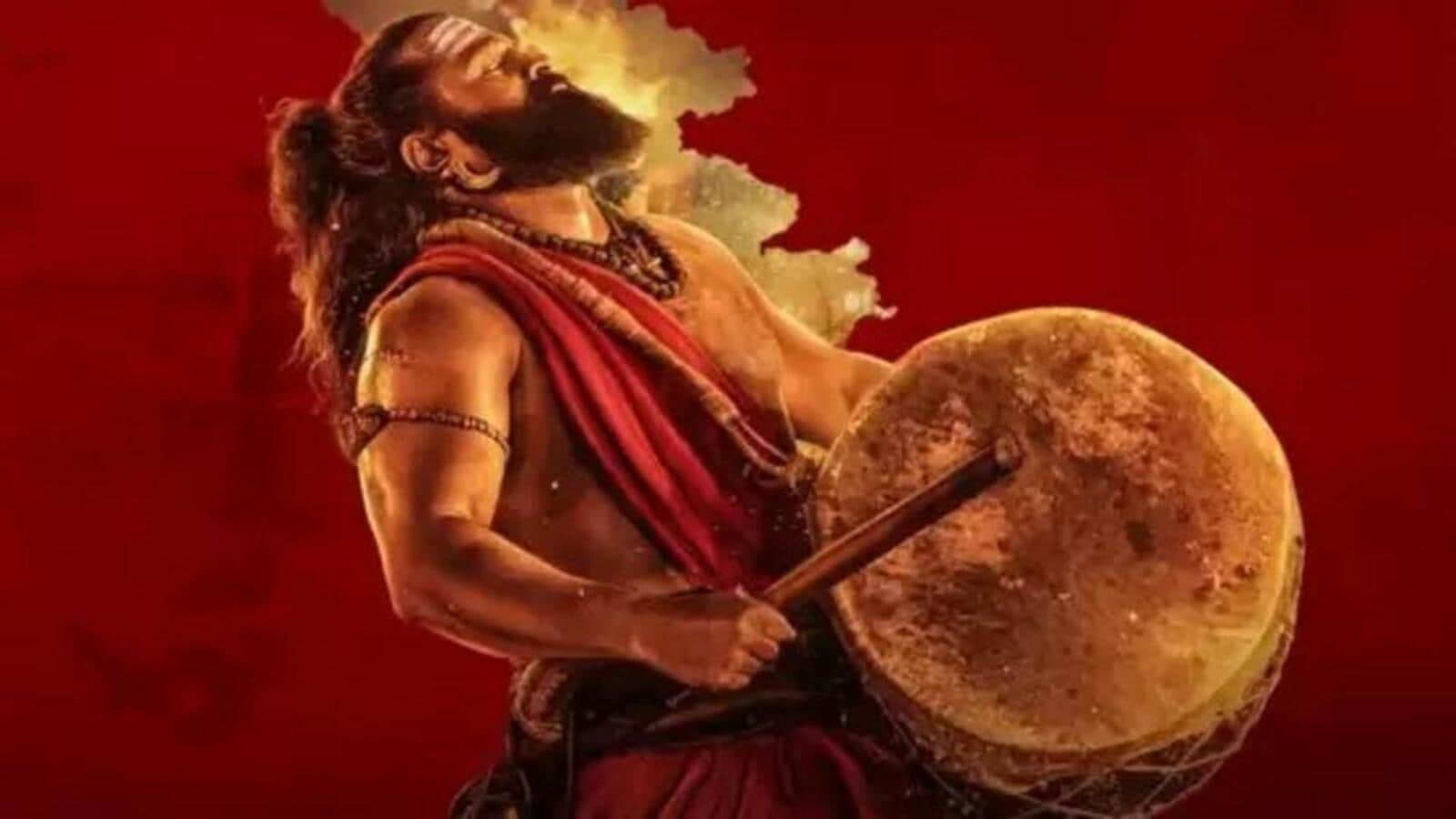
Exploring the Cinematic Success of ‘Kantara: Chapter 1’
The resonant echo of a powerful invocation lingers even after we leave the theater. The forest deity from Rishab Shetty’s *Kantara* films continues to captivate audiences. The initial film, *Kantara* (2022), and now its prequel *Kantara: Chapter 1*, have achieved remarkable success. Released in Indian cinemas on October 2, the latter has already crossed ₹500 crore at the box office within just a week, as reported by Hombale Films.
While *Kantara* might not reach the financial heights of titles like *Ne Zha*, a Chinese animated film that grossed over $2 billion, it exemplifies the appealing nature of myth and fantasy in storytelling. In times of geopolitical tension and climate crises, mythology and lore seem to offer a much-needed sense of comfort and solace. This year alone, numerous high-grossing films are rooted in this genre.
The Cultural Resonance of Human vs. Nature Themes
The conflict between humans and nature holds significant cultural relevance in today’s post-pandemic world. Both *Kantara* and its sequel emphasize nature’s sanctity—a theme that resonates with societal concerns regarding our planet’s well-being. The idea that nature must be respected and preserved mirrors a growing focus on sustainability.
Despite varying formulas for success, the essence of an engaging story remains critical. In Indian cinema, mythological narratives have recently eclipsed traditional drama, showcasing the resurgence of folklore. The performance of both *Kantara* films has far outpaced major Bollywood productions.
The Immense Popularity of Mythology in Indian Cinema
Films such as *Baahubali*, *Stree*, and *Hanu-Man* mainly draw from deep-rooted folklore and mythology, appealing to audiences more than other genres. In Malayalam cinema, for instance, *Lokah: Chapter 1 – Chandra* explores local legends, while *Brahmastra* achieved widespread success across the nation.
To comprehend the resurgence of mythological storytelling, we can look back at significant cultural milestones. The ill-fated film *Jai Santoshi Maa*, released during intense political turmoil, and Amish Tripathi’s *The Immortals of Meluha*, which resonated during nationwide protests, both highlight how mythology serves as a comforting reference point during strife.
This familiarity gives filmmakers leverage, as audiences come equipped with predefined character traits and narratives. The challenge becomes how to present these tales in innovative and engaging ways, a feat that the *Kantara* films accomplish with skill.
The elements of nature and spirituality are magnificently intertwined, utilizing folklore from Karnataka, resonating deeply with viewers. The music and sounds enhance the cinematic experience, transporting the audience into a world where nature’s spirit reigns supreme.
With this strong foundation in myth, Shetty crafts narratives that go beyond superficial morals, addressing contemporary issues such as environmental degradation. The allure of mythology remains timeless, as stories continuously evolve while holding a deep resonance within the Indian cultural framework.
In an era defined by change, the enduring nature of myths provides a sense of connection to our own history and tradition. *Kantara* invites audiences to explore these rich narratives while reminding them of nature’s vital role in our lives.
(Sanjukta Sharma is a Mumbai-based writer and editor.)
Would you be interested in diving deeper into the themes presented in Kantara and similar films?