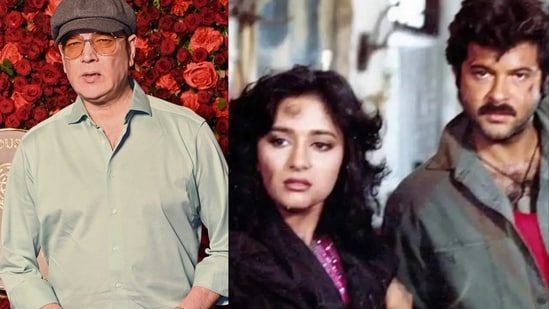
Javed Akhtar: Reality Films Face Censorship While Vulgarity Prevails

Insights from Javed Akhtar on Film Censorship
Javed Akhtar’s Concern about Censorship
Mumbai’s prominent screenwriter and lyricist, Javed Akhtar, has raised his voice against the regulatory challenges faced by films portraying societal realities. According to him, while movies filled with vulgarity often receive swift approvals, those highlighting genuine issues encounter significant hurdles.
The Impact of Audience Values
At a recent cultural festival, Akhtar highlighted the troubling trend where a segment of the audience contributes to the success of poorly made films. He stated, "In this country, the fact is that vulgarity will still be passed by; they do not realize these are wrong values." He criticized how films can perpetuate male chauvinistic views and insensitivity towards women but still gain acceptance.
Reflection on Society
The legendary writer expressed a poignant metaphor: "A film is a window into society through which you peek.” He argued that closing your eyes to the ugly truths of society won’t resolve any issues. The connection between cinematic content and societal reflection is vital, and Akhtar believes that genuine stories should prevail over those promoting regressive notions.
Masculinity and Mental Health
Akhtar also delved into the portrayal of hyper-masculinity in films, attributing their popularity to societal acceptance. He suggested that as men’s mental health improves, the demand for such films will diminish. Reflecting on audience dynamics, he noted, "It is a bad audience that makes a bad film successful."
The Role of Trends in Film Production
Akhtar pointed out that producers often chase trends, leading to the creation of films that mirror societal demands. His discontent over the rise of vulgar songs in cinema is evident, as he has consistently refused to align with projects that do not resonate with his values.
Nostalgia in Recent Films
Despite his criticisms, Akhtar commended the recent film "Saiyaara" for its melodious and nostalgic essence. He praised its capacity to provide a refreshing escape from the overwhelming nature of contemporary music trends.
On Sadness in Art
Responding to whether sad poetry or songs might enhance feelings of depression, Akhtar acknowledged the complexity of emotions. He suggested denying sadness could have adverse effects on mental health, urging acceptance of one’s feelings as an essential aspect of well-being.
What do you think about the relationship between cinema and societal values?