
Hayley Williams Identifies Morgan Wallen as the ‘Racist Country Singer’ in Her Song

## Hayley Williams Addresses Racism in Country Music
Hayley Williams isn’t hesitant to spotlight issues in country music, particularly those related to racism. In a recent chat with *The New York Times*, the Paramore lead vocalist mentioned that a lyric referencing a “racist country singer” was influenced by Morgan Wallen, who faced backlash after a video surfaced in 2021 where he used the N-word.
### The Inspiration Behind the Lyrics
During the *Times* podcast, hosts Jon Caramanica and Joe Coscarelli pressed Williams for details about the musician referenced in her song “Ego Death at a Bachelorette Party.” This track is part of her third studio album by the same name. Williams sings, “I’ll be the biggest star at this racist country singer’s bar,” and clarified, “It could be a couple, but I’m always talking about Morgan Wallen, I don’t give a shit.”
@popcast “I’ll be the biggest star at this racist country singer’s bar.” Hayley Williams revealed to Popcast who that line on her new solo album is about — and why she felt the need to write about racial issues in the South. #hayleywilliams #paramore #fyp
## Speaking Out on Racial Issues
Post questioning, Williams, with a playful tone, added, “Find me at Whole Foods, bitch! I don’t care. I just don’t care.” She emphasized that discussing race-related issues is essential to her. “I’m never not ready to scream at the top of my lungs about racial issues. They intertwine with everything from climate change to LGBTQIA+ matters,” she shared passionately, affirming her commitment to raise her voice on these topics.
### Lyrical Depth on New Album
Williams also explored meaningful lyrics on her new album, particularly in the song “True Believer,” where she alludes to Billie Holiday’s “Strange Fruit.” She reflected on a historical aspect of Franklin, Tennessee, discussing a property bought by a formerly enslaved man from his former enslaver.
“It’s still there and it’s protected now. Franklin and Nashville are being gentrified all the time,” she noted. “I’m really proud that I wrote about my city and infused this important history I know. It felt like I was truly embodying a lyricist when I wrapped that up.”
How do you feel about artists using their platforms to address social issues through their music?
Similar Posts

Geddy Lee on Rush Reunion Tour: “I Was Ready to Create Music Again”
## Geddy Lee Discusses Rush’s Reunion Tour In a recent interview with CBC News, Geddy Lee, the iconic bassist of Rush, shared insights about the exciting plans for the band’s upcoming reunion tour. He also touched on his passion for the Toronto Blue Jays, who are vying for a spot in the World Series. ##…
Lucinda Williams Set to Headline Exclusive Concert Event
Lucinda Williams is set to grace the stage for a special one-night performance at the iconic Sydney Opera House this August. The event, named “Don’t Tell Anybody the Secrets,” will occur on Sunday, August 31st, in the Concert Hall. This unique show will blend live music with visuals and spoken word segments from her memoir,…
Demi Lovato Performs Lady Gaga’s ‘Mayhem’ in BBC Radio 1 Live Lounge
Demi Lovato’s Vibrant Live Lounge Mashup Demi Lovato made waves recently by performing an intriguing mashup of two tracks from Lady Gaga’s latest album, Mayhem, during her visit to BBC Radio 1 Live Lounge. This platform has a tradition of inviting artists to reinterpret songs from other musicians, but Lovato elevated the experience by seamlessly…
Zayn Malik Addresses Racial Challenges from One Direction in New Song Clip
## Zayn Malik Addresses Racism in New Song Teaser Zayn Malik is set to tackle the racism he’s encountered while being in **One Direction**, as hinted in a sneak peek of his upcoming track likely titled “Fuchsia Sea.” Over the weekend, Malik posted a snippet of the track on Instagram, teasing fans that the complete…
Taylor Swift’s Open Invitation: Ready to Rock the Super Bowl Halftime Show!
## NFL Commissioner Invites Taylor Swift for Super Bowl Halftime Show It appears that the NFL commissioner is a fan of Taylor Swift. Recently, Roger Goodell made a public statement, essentially inviting Swift to perform at the Super Bowl Halftime Show, saying she would be “welcome at any time.” ### Goodell’s Enthusiastic Remarks During an…
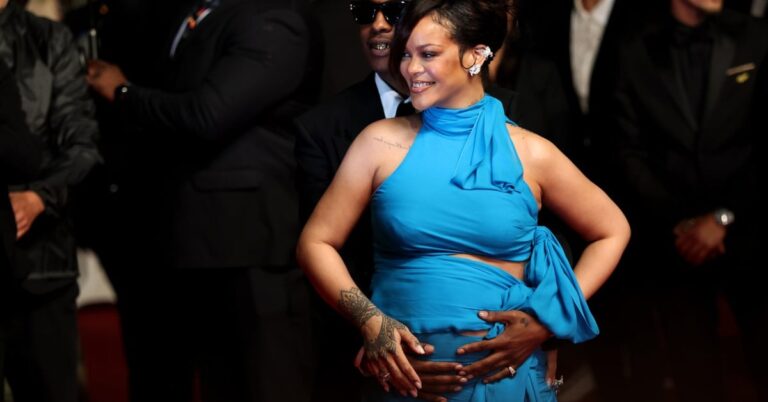
Rihanna and A$AP Rocky Celebrate the Arrival of Baby Rocki Irish Mayers
## Rihanna Welcomes Her Third Child Rihanna and A$AP Rocky have joyfully announced the birth of their third child, Rocki Irish Mayers. The pop sensation shared the news via Instagram on September 24, revealing that she welcomed her baby girl on September 13. Along with a heartfelt photo of her and her newborn, Rihanna included…