Exploring John Lennon and Yoko Ono’s Dynamic Creative Partnership
An Incomplete Yet Impactful Release
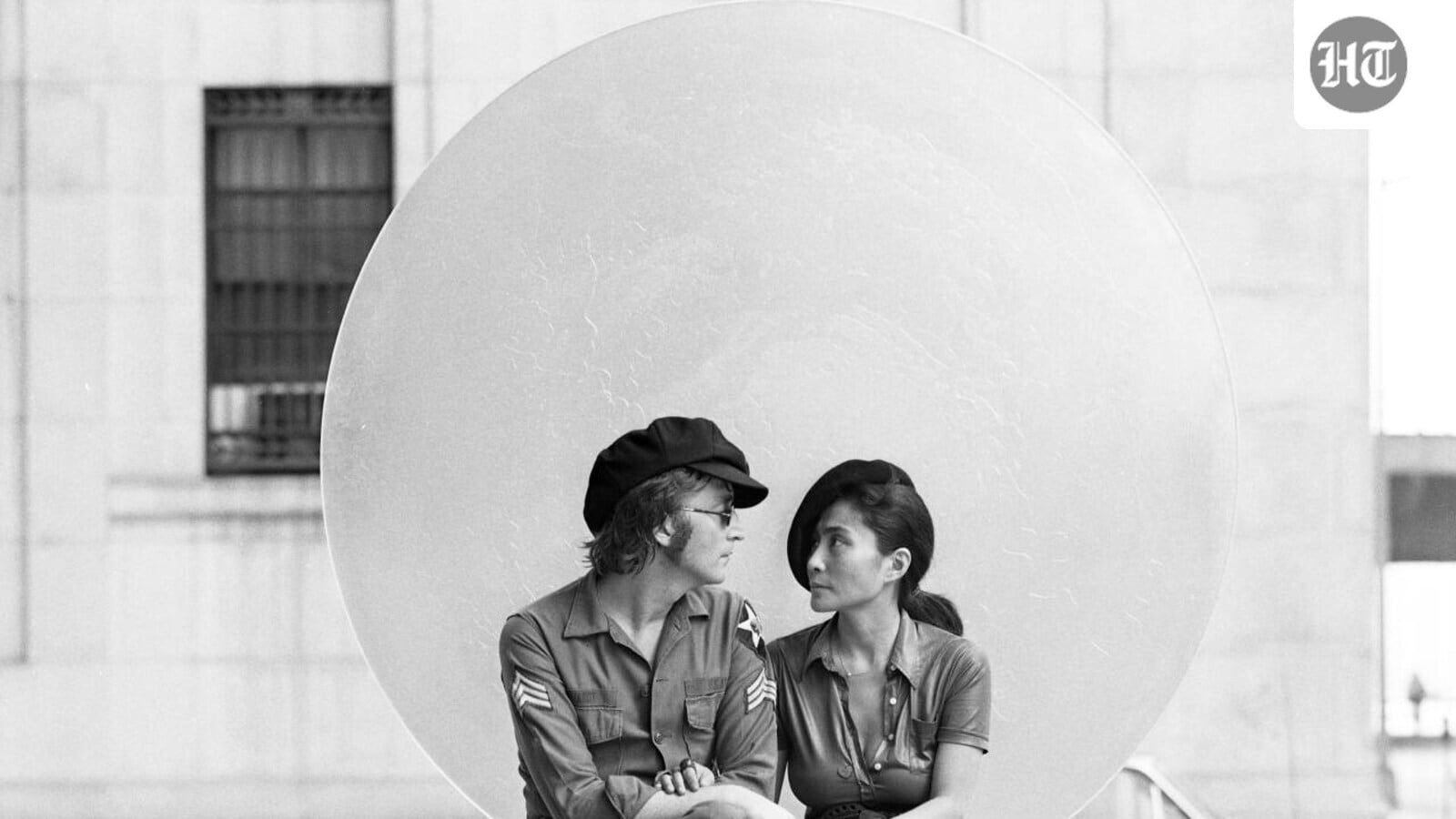
John Lennon, known for his political activism, was particularly vocal during his time in New York between 1971 and 1972. His collaborations with Yoko Ono, alongside influencers like Jerry Rubin and Angela Davis, sparked a wave of creativity. Together, they produced avant-garde films and the politically charged album “Some Time in New York City.” Despite being a hesitant live performer, they made several notable television appearances during this period.
They also took part in various benefit shows aimed at supporting causes like the Attica prison riots and the campaign for John Sinclair, an activist imprisoned for marijuana possession. Their most notable performances occurred during the “One to One” concerts at Madison Square Garden, marking Lennon’s first full-length shows after the Beatles.
The extensive boxed set titled “Power to the People” compiles much of their musical output from this period. Spanning nine CDs and three Blu-ray discs, it includes high-definition mixes, a hardcover book, and other memorabilia such as tickets and posters.
The “One to One” concerts are part of this collection, remastered for improved sound quality. The recordings showcase Lennon’s backing band, Elephant’s Memory, blending robust instrumentals with clear vocal profiles. The setlist primarily features post-Beatles work, with minimal references to his earlier catalog.
However, the collection is not without its shortcomings. The famous opening track from “Some Time in New York City,” which carries a politically charged message, is notably absent due to concerns about its provocative title. Universal Records has chosen to omit it from both the remastered album and the concert recordings.
In addition to the concerts, the set features previously unreleased performances from benefit shows, along with guest appearances on popular TV programs. A reimagined version of “Some Time in New York City” is also included, showcasing tracks that have been enhanced with new mixes and additional content, like restored dialogue between songs.
While Lennon and Ono referred to their music as a form of journalism—quick responses to significant events—the issues they tackled remain critically relevant today. The lack of certain tracks from this collection, especially those critiquing misogyny, raises questions about censorship in contemporary music.
Though this set aims to celebrate their creative partnership, it also highlights the ongoing relevance of their message, which continues to resonate. Would including more of their politically charged songs have made this collection even more impactful?
What are your thoughts on the significance of John Lennon and Yoko Ono’s music in today’s context?